Introduction
Building a house is an exciting but complex process that involves more than just designing floor plans and securing permits. Before construction begins, homeowners must understand key legal issues to avoid costly mistakes, delays, or disputes. Here are eight critical legal aspects you should consider before breaking ground.
1. Zoning Laws and Regulations
Zoning laws dictate how land can be used. Before purchasing a lot or designing your home, check local zoning regulations to ensure your construction plans align with the area’s restrictions on property use, building height, and lot coverage.
2. Building Codes Compliance
Every new home must meet structural, electrical, plumbing, and fire safety codes. These codes ensure your house is built to safe standards and help you avoid legal issues when applying for permits or selling your home in the future.
3. Permitting Process
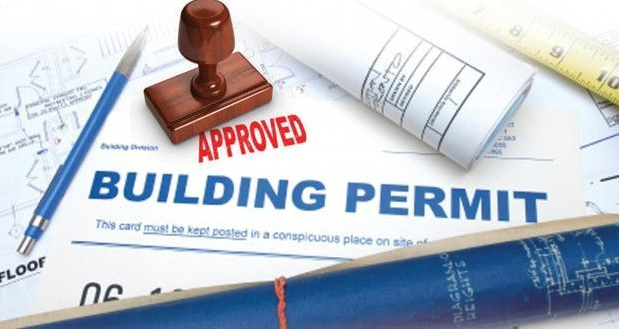
A building permit is required for most construction projects. Skipping this step can result in fines, forced demolition, or difficulty selling your home. Work with an architect or contractor who understands the local permit application process to ensure compliance.
4. Contractual Agreements with Contractors
A well-drafted construction contract protects you and your contractor by outlining:
- Project scope and timeline
- Payment terms
- Materials and specifications
- Warranties and dispute resolution procedures
Review contracts carefully and consult a lawyer if needed to avoid misunderstandings.
5. Liability and Insurance Coverage
Construction sites pose safety risks. Ensure your contractor has liability insurance and workers’ compensation coverage to protect against potential accidents. Additionally, check with your home insurance provider to see if you need additional coverage during the construction phase.
6. Intellectual Property Rights for Architectural Plans
Did you know your home’s blueprints might be copyrighted? If an architect designs your home, they typically retain ownership of the floor plans. Ensure your contract specifies whether you have the rights to modify or reuse the plans in the future.
7. Dispute Resolution Methods
Construction disputes—whether over delays, costs, or workmanship—can be costly and time-consuming. Your contract should outline how disputes will be resolved, whether through mediation, arbitration, or litigation, to avoid unnecessary legal battles.
8. Environmental Regulations and Land Use Restrictions
Some properties have environmental restrictions that affect construction. Regulations may govern water drainage, tree removal, and energy efficiency requirements. Research these rules before starting your project to prevent legal complications.
Conclusion
Understanding legal issues before building a house helps protect your investment, ensures compliance, and prevents future headaches. By addressing zoning laws, permits, contracts, and insurance requirements upfront, homeowners can enjoy a smoother construction process and avoid costly legal pitfalls.